

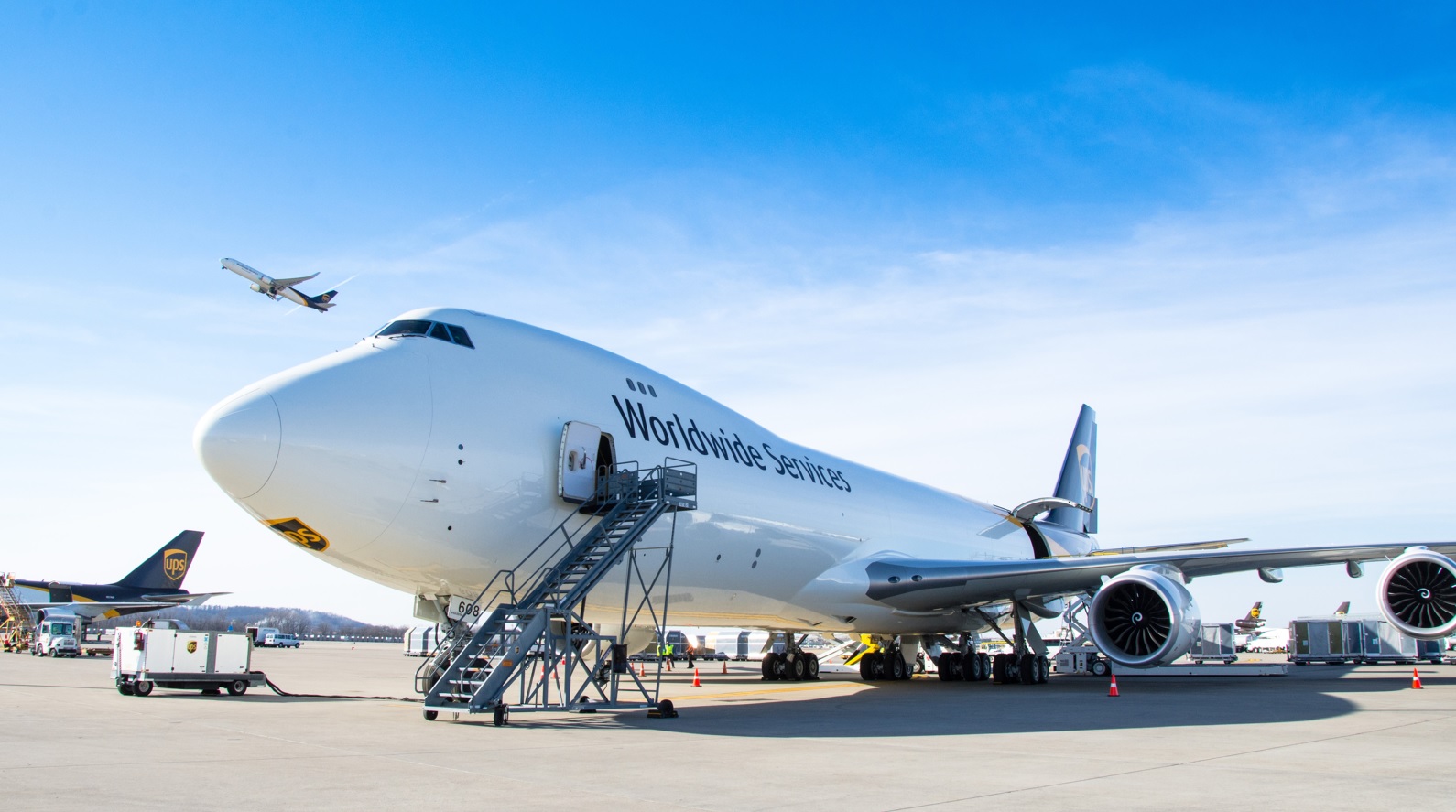
UPS is extending temperature-controlled infrastructure beyond conventional healthcare warehouses, investing $48 million in 27 freight cross-docks designed to protect pharmaceutical shipments as they move between air and ground transportation.
The facilities, which include locations in key U.S. markets as well as international sites, form the cold-chain component of a much broader UPS investment program now exceeding $2 billion.
That distinction is important. The $2 billion-plus figure announced by UPS covers International, Healthcare and Supply Chain Solutions projects around the world between 2024 and 2028. It is not a U.S. cold-storage investment figure.
For cold-chain operations, the more relevant commitment is the separately disclosed $48 million global program covering the 27 temperature-controlled cross-docks.
Unlike a conventional refrigerated distribution center built to hold inventory for extended periods, the UPS facilities are designed primarily for short-term staging while freight transfers between transportation modes.
UPS says the cross-docks can maintain three temperature profiles: refrigerated conditions of 2°C to 8°C, controlled room temperature of 15°C to 25°C and frozen conditions. The company has not disclosed a specific temperature range for frozen operations.
The model addresses a different part of the pharmaceutical supply chain from long-duration storage. A temperature-sensitive shipment arriving by air can enter a controlled cross-dock, remain within its required temperature range during staging and then move onto the next ground transportation leg.
That places refrigerated infrastructure directly at a point where freight changes modes.
For U.S. healthcare shippers, the significance is less about adding large blocks of conventional cold-storage square footage and more about maintaining temperature control through the transportation network.
UPS has not disclosed how many of the 27 facilities are in the United States, their combined U.S. square footage or what share of the $48 million is being spent domestically. Nor has it provided a complete authoritative list of U.S. locations in its latest announcements.
The cross-dock program has been developing over several years. In August 2025, UPS Healthcare said its expanded cold-chain freight-forwarding network included 20 temperature-controlled cross-docks, with another seven planned.
By June 2026, UPS was describing a 27-site network and attaching the $48 million investment figure to the program.
UPS says all 27 facilities are compliant with IATA CEIV Pharma certification. The sites are supported by round-the-clock control-tower monitoring, including shipment-risk alerts and intervention capabilities.
That visibility layer is important to the operating model because temperature-controlled logistics depends on more than the physical cold room. UPS is combining temporary controlled storage with monitoring and transportation services as freight passes through its network.
The company has not identified the refrigeration systems, temperature-monitoring hardware or software platforms used at individual facilities. It also has not disclosed cross-dock throughput, pallet capacity, dock counts or backup refrigeration and power arrangements.
The 27 sites sit within a much larger UPS Healthcare network.
UPS says it operates more than 19.2 million square feet of cGMP- and GDP-compliant healthcare distribution space globally. That network handles functions including inventory management, fulfillment, medical devices, clinical-trial logistics and cold-chain shipping.
The cross-docks add another layer to that infrastructure: temperature-controlled transfer capacity between the longer-duration warehousing and transportation portions of the network.
UPS has also expanded its healthcare logistics operations through acquisitions. Its recent deals include Andlauer Healthcare Group, adding specialized healthcare transportation and logistics capabilities in North America, as well as earlier acquisitions including Bomi Group and temperature-controlled logistics specialist Frigo-Trans.
The broader $2 billion-plus investment program adds transportation capacity around that healthcare network.
In North America, UPS is expanding air-freight capabilities and introducing time-definite heavy air-freight service to and from Mexico. The company has not said that capacity is dedicated exclusively to healthcare, but it adds cross-border connectivity to a network in which temperature-controlled freight is one of the targeted shipment categories.
Elsewhere, the wider investment includes new or expanded hubs in the Philippines, Hong Kong, South Korea and other international markets.
For U.S. cold storage, however, the 27-site cross-dock program is the more specific development.
It shows UPS directing capital toward the interfaces between refrigerated warehousing and transportation rather than treating cold-chain capacity solely as an inventory-storage requirement.
That approach is particularly relevant to pharmaceutical logistics, where a shipment can remain in transit across multiple facilities and transportation modes before reaching a distribution center, healthcare provider or other destination.
UPS says reducing handoffs and maintaining visibility across those movements can improve control over temperature-sensitive shipments. The company has not disclosed measured reductions in dwell time or temperature excursions resulting from the cross-dock investment.
Nor has it disclosed enough U.S.-specific information to quantify the physical expansion of its domestic cold-chain footprint.
The next measure of the program’s significance for U.S. cold storage will therefore be more basic: how many of the 27 cross-docks are domestic, where they are located, how much temperature-controlled capacity they provide and how much of the $48 million investment has been deployed in the United States.